

Understand Atrial Fibrillation (AFib) on Apple Watch ECG
Atrial fibrillation, often referred to as AFib, is a common type of irregular heartbeat. It occurs when the heart's upper chambers (the atria) beat chaotically and out of sync with the lower chambers (the ventricles), disrupting the heart's ability to pump blood efficiently. Apple Watch can detect signs of AFib through its built-in ECG app, making it a powerful tool for early awareness.
ECG+
3 min read

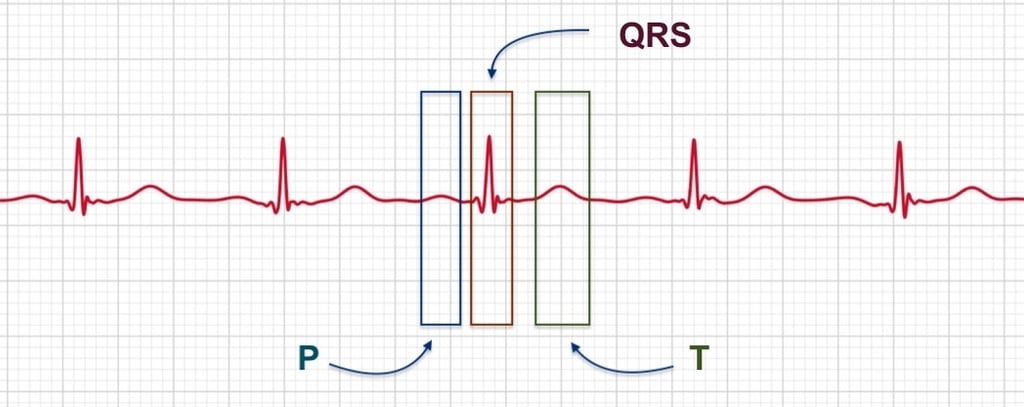
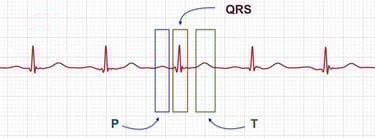
On a normal ECG, each heartbeat produces a recognisable pattern: a P wave (atrial contraction), followed by a QRS complex (ventricular contraction), then a T wave (recovery). The spacing between beats is consistent and regular.
How AFib Appears on an Apple Watch ECG
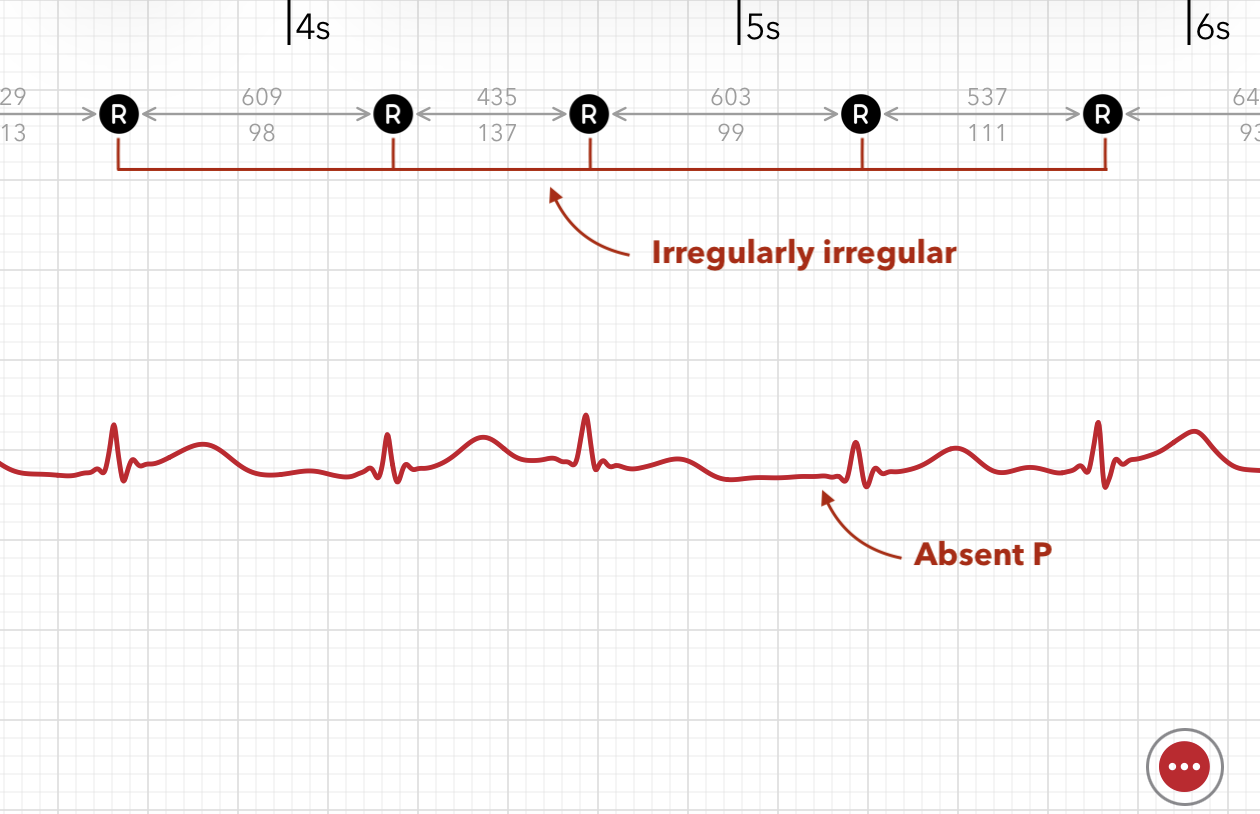
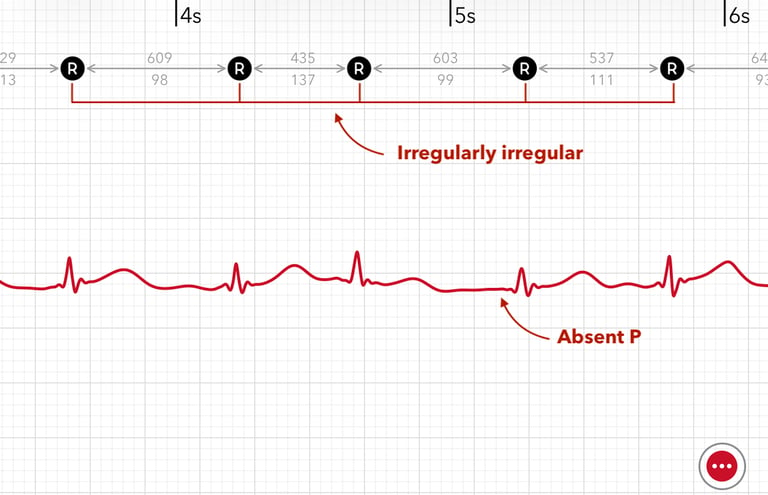
In AFib, this pattern changes in two distinct ways:
P waves disappear. Instead of a clean P wave before each beat, you'll see rapid, irregular oscillations called fibrillatory waves — a visual sign that the atria are quivering rather than contracting properly.
R-R intervals become irregular. The time between each heartbeat varies unpredictably, rather than following a steady rhythm.
On an Apple Watch ECG report, AFib is flagged with the label "Irregularly irregular", this reflects both of these findings. If you see this on your report, it's important to follow up with a doctor, especially if you haven't been previously diagnosed with AFib.
What Happens During Atrial Fibrillation?
Symptoms of Atrial Fibrillation
AFib symptoms vary widely, some people feel them acutely, while others have no symptoms at all and only discover the condition through routine monitoring or an incidental ECG.
When symptoms are present, the most common include:
Palpitations — a fluttering, pounding, or racing heartbeat that may come and go
Fatigue — feeling unusually tired, even at rest or with minimal exertion
Shortness of breath — particularly noticeable during activity or when lying down
Dizziness or lightheadedness — caused by reduced and inconsistent blood flow
Chest discomfort — a sense of pressure or unease (note: chest pain should always be assessed urgently)
The unpredictable nature of AFib — where episodes can last seconds, hours, or days — is part of what makes Apple Watch ECG monitoring valuable. Capturing a recording during a symptomatic moment gives your doctor far more useful information than a single reading taken in a clinic.
Risks Associated with Atrial Fibrillation
AFib isn't just an irregular heartbeat, it carries real, serious risks if left unmanaged.
Stroke is the most significant concern. When the atria quiver instead of contract, blood can pool and form clots — most commonly in a small pouch called the left atrial appendage. If a clot breaks loose and travels to the brain, it causes a stroke. People with AFib have roughly five times the stroke risk of those without it.
Heart failure is another long-term risk. When the heart beats inefficiently for a prolonged period, the heart muscle gradually weakens. This can eventually lead to heart failure — where the heart can no longer meet the body's demands for blood and oxygen.
Reduced quality of life is also common, even in cases that aren't immediately dangerous. Persistent fatigue, breathlessness, and anxiety about symptoms can significantly affect day-to-day life.
Early detection and treatment dramatically reduce these risks — which is why consistent monitoring matters.
Managing Atrial Fibrillation
There's no single approach to managing AFib. Treatment is tailored to the individual based on the type of AFib, its underlying cause, symptom severity, and stroke risk. Most management plans combine several strategies:
Rate and Rhythm Control
Rate-control medications (such as beta-blockers, calcium channel blockers, or digoxin) slow the heart rate so the ventricles have more time to fill with blood, reducing symptoms.
Rhythm-control medications (antiarrhythmics such as flecainide, sotalol, or amiodarone) aim to restore and maintain a normal sinus rhythm.
Stroke Prevention
Anticoagulants (blood thinners such as warfarin, apixaban, rivaroxaban, or dabigatran) are prescribed to reduce the risk of clot formation. For many people with AFib, this is the most critical part of treatment.
Procedures
Electrical cardioversion — a controlled electric shock delivered under sedation to reset the heart's rhythm. Often used when medications alone aren't sufficient.
Catheter ablation — a minimally invasive procedure where small areas of heart tissue causing abnormal signals are destroyed, with the goal of restoring a normal rhythm long-term.
Left atrial appendage closure — a procedure that seals off the left atrial appendage to reduce stroke risk in people who cannot safely take anticoagulants.
Pacemaker implantation — used in some cases where the heart rate becomes too slow following other treatments.
Lifestyle
Alongside medical treatment, lifestyle changes play a meaningful role: reducing alcohol intake, maintaining a healthy weight, managing blood pressure, getting regular exercise, and reducing stress have all been shown to reduce AFib burden.
Managing AFib is a long-term commitment, but with the right plan in place, most people with AFib live full, active lives.
An Apple Watch ECG Afib report in ECG+